 Post by
Artificial Intelligence (AI) is rapidly transforming the modern workplace, reshaping how businesses operate, make decisions, and compete in an increasingly digital economy. What was once considered a futuristic technology has now become a core component of corporate strategy across industries. From automating routine tasks to providing real-time business insights, AI enables organizations to improve efficiency, reduce costs, enhance customer experiences, and drive innovation. As businesses prepare for the future, integrating AI into strategic planning has become essential for long-term growth and competitiveness.
One of the most significant ways AI is changing corporate strategy is through intelligent automation. Repetitive and time-consuming tasks such as data entry, invoice processing, customer support, and report generation can now be automated using AI-powered systems. This allows employees to focus on higher-value activities that require creativity, critical thinking, and problem-solving. Rather than replacing human workers, AI is increasingly being used to augment human capabilities and improve overall productivity.
Another major impact of AI is in data-driven decision-making. Modern organizations generate enormous volumes of data every day, making it difficult to extract meaningful insights manually. AI-powered analytics platforms process large datasets in real time, identify patterns, predict future trends, and provide actionable recommendations. Business leaders use these insights to improve forecasting, optimize operations, reduce risks, and make faster, more informed strategic decisions.
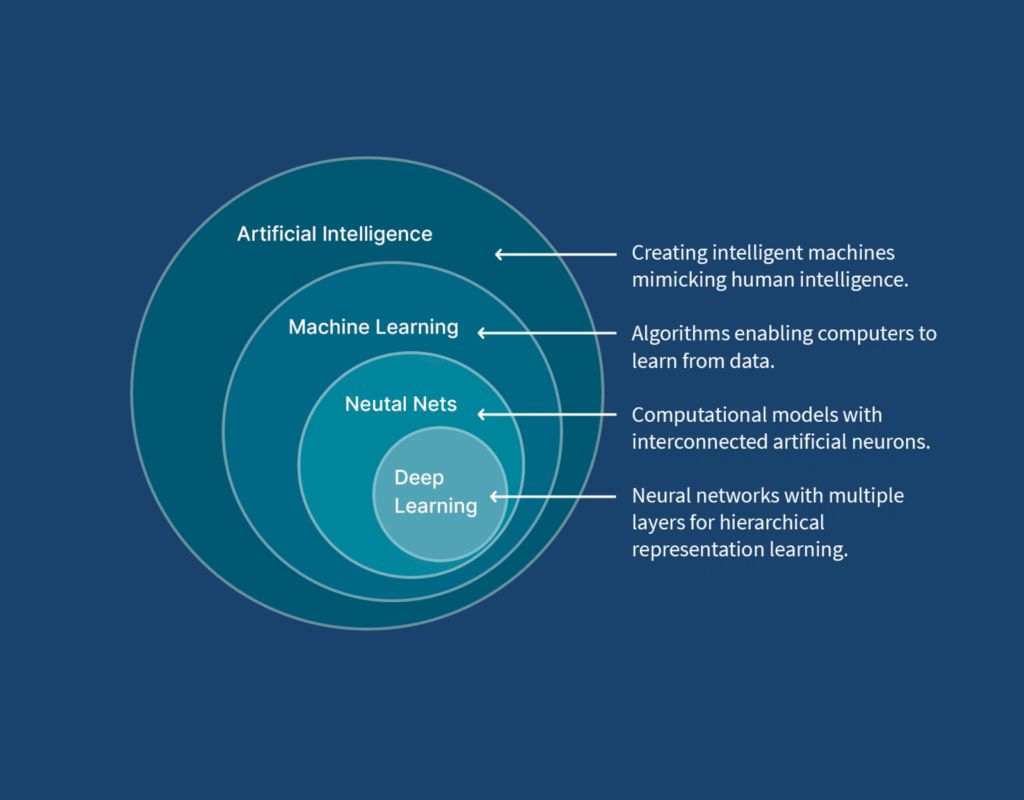
AI is also revolutionizing the customer experience. Businesses use AI-powered chatbots, virtual assistants, recommendation engines, and personalized marketing systems to provide faster and more relevant customer interactions. By analyzing customer preferences and behavior, AI helps organizations deliver personalized products, services, and communications, increasing customer satisfaction, loyalty, and long-term business growth. Supply chain management is also benefiting from AI integration. Machine learning algorithms analyze market demand, inventory levels, transportation routes, and supplier performance to optimize logistics and reduce operational costs.
AI is also revolutionizing the customer experience. Businesses use AI-powered chatbots, virtual assistants, recommendation engines, and personalized marketing systems to provide faster and more relevant customer interactions. By analyzing customer preferences and behavior, AI helps organizations deliver personalized products, services, and communications, increasing customer satisfaction, loyalty, and long-term business growth.
Human Resource Management is another area experiencing significant transformation. AI assists recruiters by screening resumes, identifying qualified candidates, scheduling interviews, and analyzing workforce trends. Organizations also use AI to support employee learning, monitor performance, identify skill gaps, and recommend personalized training programs. These technologies enable companies to build a more skilled, adaptable, and future-ready workforce.
As organizations continue embracing digital transformation, AI is evolving from a technological tool into a strategic business partner. Companies that successfully combine artificial intelligence with human expertise will be better positioned to innovate, adapt to changing market conditions, and maintain a competitive advantage in the years ahead. The future of work is not simply about automation—it is about creating smarter organizations where humans and AI collaborate to achieve greater efficiency, innovation, and sustainable growth.
Did You Know?
Many organizations now use AI to analyze millions of business transactions, customer interactions, and operational processes in real time, helping executives make faster and more accurate strategic decisions while improving productivity across the organization.
Fun Fact:
AI-powered virtual assistants and intelligent automation tools can perform repetitive business tasks in seconds, allowing employees to spend more time on creative problem-solving, innovation, and strategic planning.